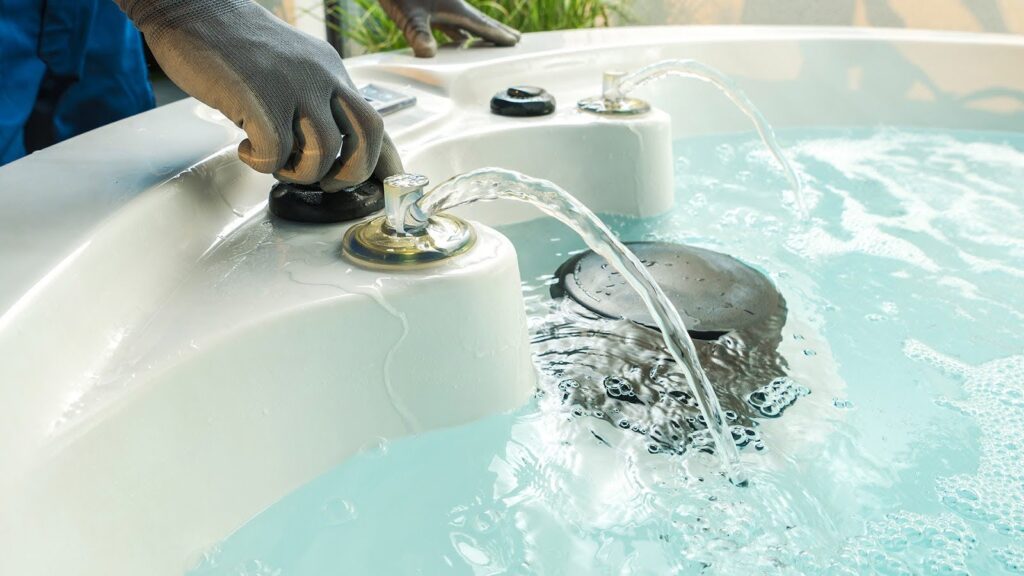
Why Spa Cleaning Is Essential
A home spa is synonymous with relaxation, wellness, and comfort. However, without proper spa maintenance, the water can quickly become cloudy, develop unpleasant odors, and encourage the growth of bacteria.
The problem is that many owners underestimate water management, thinking that occasionally adding a few chemical products is enough. In reality, regular spa cleaning is essential to maintain the chemical balance of the water, prevent limescale buildup, and ensure proper hygiene and safety.
The solution? Follow a structured plan for water treatment, pH control, filter cleaning, and periodic sanitization. In this guide, you will discover how to keep your hot tub always clean, sanitized, and ready to use.
Why It’s Important to Clean a Spa Regularly
Warm water creates an ideal environment for the growth of bacteria, algae, and microorganisms. Without proper disinfection, the following can develop:
- Biofilm in the pipes
- Organic residues (sweat, creams, oils)
- Limescale buildup
- Imbalances in chlorine or bromine levels
A well-maintained spa ensures:
- Crystal-clear water
- Longer lifespan of the components
- Lower consumption of chemical products
- A safe wellness experience
The Ideal Chemical Parameters of Spa Water
Water monitoring is the first step toward proper maintenance.
Ideal pH Level
The pH should be between 7.2 and 7.6.
A pH that is too high promotes limescale formation, while a pH that is too low can cause corrosion.
Total Alkalinity
It should be maintained between 80 and 120 ppm to stabilize the pH.
Sanitizers
- Chlorine: 1–3 ppm
- Bromine: 3–5 ppm
- Active oxygen: a gentler alternative
Weekly monitoring with test strips is essential to keep the water properly balanced.
Daily Spa Cleaning
Daily maintenance only takes a few minutes but helps prevent bigger problems.
Recommended actions:
- Removal of leaves and debris
- Visual check of water clarity
- Check the temperature
- Cover the spa after use
These simple actions help maintain consistent water quality.
Weekly Spa Maintenance
Each week, a more thorough cleaning should be carried out.
1. Check and Adjust the pH Level
Check using test strips or a digital tester and adjust if necessary.
2. Water Disinfection
Add chlorine, bromine, or active oxygen according to the manufacturer’s instructions.
3. Cleaning the Waterline
Use specific non-foaming cleaners to avoid leaving residues.
4. Activate the Filtration System
Let the water circulate through the filtration system for at least 20–30 minutes after treatment.
Cleaning the Spa Filter
The filter is the heart of the filtration system.
Cleaning Frequency
- Light rinse: every 1–2 weeks
- Deep cleaning: once a month
PROCEDURE
- Turn off the spa.
- Remove the filter.
- Rinse it with running water.
- Soak it in a specific cleaning solution.
- Rinse it again and let it dry.
Replace the filter every 12 months to maintain optimal performance.
Complete Draining and Cleaning (Every 3–4 Months)
Even with regular maintenance, the water needs to be changed periodically.
Procedure:
- Turn off the system.
- Completely drain the tub.
- Clean the surfaces with a specific cleaner.
- Remove any limescale residue.
- Rinse thoroughly.
- Refill it and rebalance the chemical parameters.
This procedure helps prevent biofilm buildup and extends the lifespan of the spa.
How to Prevent Limescale in a Spa
Hard water is one of the main causes of limescale buildup.
To prevent it:
- Keep the pH stable.
- Use anti-limescale products.
- Check the water hardness.
- Clean the jets regularly.
Consistent prevention reduces the need for extraordinary maintenance.
Spa Cover Maintenance
The cover protects the spa from dirt and heat loss.
Clean it once a month with a mild detergent and apply a UV-protective treatment.
A well-maintained cover improves energy efficiency and reduces evaporation.
Mistakes to Avoid When Cleaning a Spa
- Using aggressive household cleaners
- Ignoring the weekly pH check
- Overdosing sanitizers
- Not cleaning the filter
- Neglecting the periodic water change
These mistakes compromise water quality and reduce the lifespan of the system.
CONCLUSION
Cleaning a spa is not complicated, but it requires consistency and the right method. Through proper water treatment, monitoring of chemical parameters, and regular filter cleaning, it is possible to keep the water always clear and safe.
We have seen how to prevent bacteria, algae, and limescale with a simple but effective routine. By following these guidelines, your spa will remain a true oasis of wellness, always ready to offer you relaxation every day.
Investing in maintenance means protecting your health, reducing long-term costs, and extending the lifespan of the system.
FAQ – Frequently Asked Questions
- How often should the spa water be changed? Generally every 3–4 months, but it depends on how frequently the spa is used and the quality of the chemical treatment.
- How long should the filtration system run? At least 2–4 hours per day, increasing the time if the spa is used frequently.
- Come eliminare l’acqua torbida? Check the filter, pH, and sanitizer levels. The problem is often caused by chemical imbalances or insufficient filtration.
- Is chlorine or bromine better? Bromine is more stable at high temperatures, while chlorine is more economical and more powerful.
- Can I use natural products? Yes, active oxygen is a valid alternative, but the water balance must still be monitored to ensure safety.