

Spa, Wellness Center and Thermal Spa: What Are the Differences?
Spa, wellness center and thermal spa are often used interchangeably. In reality, they refer to

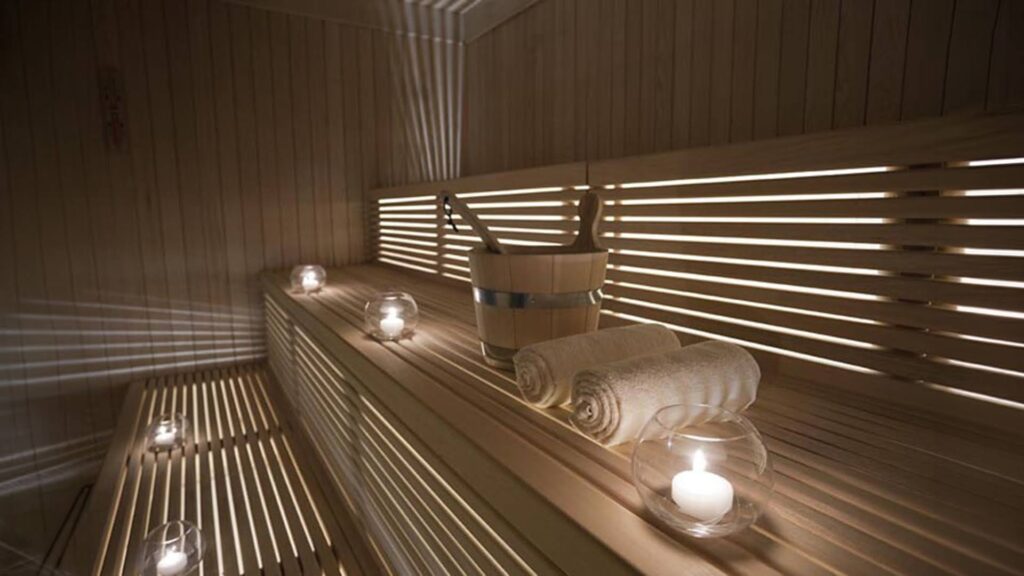
Choosing the right wood for a sauna may seem like an aesthetic decision, but it actually affects comfort, safety, durability, thermal insulation and the overall quality of the wellness experience. The wrong type of wood can overheat, warp, release resin, absorb too much moisture or make the cabin less pleasant to the touch.
The problem is that many people choose a sauna based only on the color of the interior cladding. As a result, they risk buying a cabin that looks beautiful but does not perform well over time. In an environment where temperature, steam, dry heat and thermal changes are constant, the material makes all the difference.
In this guide, we explain which wood is used for saunas, what characteristics it should have, which wood types are best for interiors, walls, benches and cladding, and why today’s most popular saunas often feature materials such as hemlock, heat-treated poplar and ash.
Wood is the most commonly used material in Finnish saunas, bio saunas and infrared cabins because it offers a natural balance between insulation, heat resistance, tactile comfort and aesthetic appeal.
Unlike plastic, metal or synthetic materials, wood has low thermal conductivity: it heats up gradually and remains pleasant when in contact with the skin. This is essential for benches, backrests, headrests and internal cladding.
A good sauna wood should be:
● stable at high temperatures;
● resistant to thermal changes;
● free or almost free from resin;
● pleasant to the touch;
● dimensionally stable;
● suitable for hot and humid environments;
● visually consistent with the sauna design;
● natural, safe and not treated with unsuitable substances.
Not all types of wood are suitable for building a sauna. The correct choice depends on temperature, humidity, intended use and where the material is placed inside the cabin.
The wood should not become too hot to touch. This feature is essential for surfaces that come into direct contact with the body, such as seats, backrests and headrests.
Inside a sauna, wood is exposed to continuous cycles of heat, cooling and humidity changes. A stable wood reduces the risk of cracking, twisting, swelling or deformation.
Very resinous woods may release sticky substances at high temperatures. For this reason, selected, clean and well-dried wood types suitable for wellness use are preferred for sauna interiors.
Wood contributes to the multisensory sauna experience: color, scent, grain, texture and perceived warmth all influence relaxation. A well-designed sauna cabin should be pleasant to see, breathe in and touch.
Hemlock is one of the most appreciated woods for modern saunas. It has a light color with warm nuances, a subtle grain and a uniform appearance.
It is often chosen for clean, minimal and refined sauna designs.
Its main advantages include:
● elegant and regular appearance;;
● good stability;
● almost no knots;
● very delicate scent;
● pleasant surface to the touch;
● excellent aesthetic result in both residential and professional settings.
Hemlock is ideal for anyone looking for a bright, contemporary and understated sauna that fits beautifully into bathrooms, wellness areas, private spas, hotels or wellness centers.
Heat-treated poplar is an increasingly popular choice for those looking for a technical, stable wood with a contemporary look. Thermal treatment improves the material’s resistance, reduces moisture absorption and makes the wood more stable over time.
Its warm, natural color creates a welcoming atmosphere, while the heat treatment makes it suitable for typical sauna conditions.
It is recommended for those looking for:
● dimensional stability;
● good resistance to thermal changes;
● modern aesthetics;
● warm tones;
● easy maintenance;
● an excellent balance between design and functionality.
Ash is an elegant wood, easily recognizable for its marked and decorative grain. In saunas, it is mainly chosen when the goal is to achieve a stronger, more natural and more refined visual effect.
It is perfect for projects where the sauna cabin becomes a true furnishing element.
Ash can be used in modern spaces, design spas and wellness areas where aesthetics play a central role.
Its strengths include:
● visible grain;
● natural and premium appearance;
● strong visual personality;
● excellent combination with glass, stone and LED lighting;
● elegant result in custom-made saunas.
Nordic spruce is one of the most traditional woods for Finnish saunas. It is light, natural and immediately recalls the atmosphere of Scandinavian saunas. It has long been used for cladding and cabins, especially when the goal is to create an authentic and traditional result.
It is a good choice for those who love:
● Nordic style;
● the natural scent of wood;
● a rustic appearance;
● classic Finnish saunas;
● a warm and familiar atmosphere.
Cedar is appreciated for its distinctive scent and warm color. It is often chosen for premium saunas, where the olfactory experience is part of the relaxation ritual.
It has a strong aesthetic and aromatic identity, making it suitable for those who want an intense, enveloping and highly recognizable sauna cabin.
For benches, low-conductivity woods such as linden and ayous are often used because they remain more comfortable in contact with the skin. The choice of wood for seating is especially important: a sauna bench must be stable, smooth, resistant and pleasant even during longer sessions.
Our best-selling saunas are made of hemlock, heat-treated poplar and ash with 18 mm thick tongue-and-groove boards.
This combination meets the main needs of today’s sauna buyers: elegant design, natural materials, good stability, interior comfort and carefully finished cladding. The 18 mm tongue-and-groove boards contribute to a more solid structure, a higher-quality feel and a more robust finish, suitable for both home saunas and professional wellness solutions.
Hemlock is ideal for those looking for a light and minimalist sauna. Heat-treated poplar is perfect for those who want a warm, modern and stable solution. Ash is recommended for those who prefer a sauna cabin with a stronger character, visible grain and a more distinctive aesthetic effect.
For an indoor sauna installed at home, in a gym, hotel or private spa, it is important to choose a wood that combines aesthetics and practicality.
The most suitable options include:
● hemlock, for modern and bright saunas;
● heat-treated poplar, for warm and contemporary spaces;
● ash, for elegant and decorative saunas;
● Nordic spruce, for a traditional style;
● linden or ayous, for benches and contact surfaces.
In an indoor sauna, design matters because the cabin is often integrated with existing furniture, glass, lighting and wall finishes. For this reason, the chosen wood should harmonize with the surrounding space.
An outdoor sauna requires greater attention to material resistance, insulation and protection against weather conditions. In this case, it is not only the internal cladding that matters, but also the external structure, insulation, roofing and the cabin’s ability to withstand cold, humidity, sun and rain.
For the interior of an outdoor sauna, the same wood types used for indoor saunas can be suitable. For the exterior, however, more protected solutions specifically designed for outdoor use are required.
A good outdoor sauna should ensure:
● effective thermal insulation;
● structural stability;
● protection against humidity;
● proper ventilation;
● durable materials;
● scheduled maintenance.
The type of sauna affects the choice of wood.
A Finnish sauna reaches high temperatures and uses dry heat. Here, it is essential to choose woods that are stable, resistant and pleasant to the touch. Hemlock, Nordic spruce, heat-treated poplar and ash are excellent options for cladding and walls.
A bio sauna operates at more moderate temperatures and with higher humidity compared to a Finnish sauna. The wood must therefore handle humidity changes well and remain stable over time.
In an infrared sauna, heat is more direct and localized. The wood must still be natural, safe and suitable for warm environments, although temperatures are generally lower than in a traditional Finnish sauna.
The choice between light and dark wood depends on the style of the room and the desired atmosphere.
A light wood such as hemlock makes the sauna brighter, cleaner and more modern. It is perfect for smaller spaces because it increases the perception of openness.
A warmer or darker wood, such as heat-treated poplar, creates a more enveloping and relaxing atmosphere. It is ideal for intimate, elegant and contemporary wellness spaces.
Ash, on the other hand, offers a balanced solution: natural, decorative and visually rich, suitable for those who want to enhance the beauty of the wood grain.
The tongue-and-groove board for saunas is the wooden profile used to clad the walls and ceiling of the cabin. Its thickness contributes to the solidity of the cladding, the aesthetic result and the perceived quality of the sauna.
An 18 mm thick tongue-and-groove board is a robust, high-quality solution, ideal for well-structured and durable sauna cabins. Compared to thinner options, it offers greater consistency, a more solid feel and a more substantial interior finish.
The thickness of the tongue-and-groove boards should be evaluated together with:
● cabin structure;
● insulation;
● type of sauna;
● wood quality;
● installation system;
● residential or professional use.
Benches are one of the most important parts of a sauna. They must support body weight, withstand heat, avoid overheating and remain comfortable.
For this reason, woods with low thermal conductivity, a smooth surface and good stability are preferred. Linden, ayous and other low-heat-conducting woods are often used for seats, backrests and headrests.
A good sauna bench should be:
● strong;
● smooth;
● free from splinters;
● pleasant to the touch;
● easy to clean;
● stable over time;
● consistent with the interior design.
In general, it is better to avoid woods that are too resinous, unstable, treated with unsuitable varnishes or not certified for use at high temperatures. Synthetic materials or coverings not designed for hot environments may also be unsuitable.
Avoid:
● highly resinous woods;
● panels not suitable for heat;
● plastic materials;
● common varnishes;
● impregnating products not compatible with high temperatures;
● wood types that deform easily;
● rough or splinter-prone surfaces.
A sauna should be a healthy, natural and safe environment. For this reason, the choice of wood should never be improvised.
Sauna wood does not require complicated maintenance, but it should be treated with care. After each use, it is important to ventilate the cabin, avoid moisture stagnation and clean the surfaces with gentle products.
Practical tips:
● air the sauna after use;
● dry any damp areas;
● use towels on the benches;
● avoid aggressive detergents;
● do not apply common varnishes;
● periodically check walls, benches and backrests;
● follow the manufacturer’s instructions.
Proper maintenance keeps the wood beautiful, hygienic and durable over time.
To choose the best sauna wood, consider four main aspects: use, aesthetics, comfort and durability.
Choose hemlock if you want an elegant, light, minimalist sauna with very few visible knots.
Choose heat-treated poplar if you are looking for a modern, warm, stable sauna that resists thermal changes well.
Choose ash if you want a design-focused sauna with visible grain and strong aesthetic personality.
Choose Nordic spruce if you love the tradition of the Finnish sauna and want a natural, classic atmosphere.
Choose linden or ayous for benches, backrests and contact surfaces, where thermal comfort is essential.
Sauna wood is not just a covering: it is the material that determines comfort, safety, insulation, durability and the overall atmosphere of the cabin. Choosing the right wood means creating a pleasant, natural and long-lasting wellness environment.
Hemlock, heat-treated poplar and ash are among the most appreciated solutions today because they combine aesthetics, stability and perceived quality. In particular, best-selling saunas made of hemlock, heat-treated poplar and ash with 18 mm thick tongue-and-groove boards are a balanced choice for those looking for a beautiful, functional cabin suitable for both residential and professional use.
The best solution is always one designed according to the available space, type of sauna, interior style and wellness experience you want to create.
There is no single best wood for a sauna. Hemlock, heat-treated poplar, ash, Nordic spruce, linden and ayous are all excellent options, but the choice depends on design, use, temperature, humidity and cabin type. For a modern sauna, hemlock and heat-treated poplar are highly popular solutions.
The internal wood of a sauna should not be treated with common varnishes or products unsuitable for high temperatures. It is important to use natural, selected materials that are compatible with heat. Any treatment should be specific for sauna use and recommended by the manufacturer.
Wood is used in Finnish saunas because it provides insulation, withstands heat well, creates a natural environment and remains pleasant to the touch. It also contributes to the sensory comfort of the cabin through its scent, color, grain and warm but gentle feeling on the skin.
Yes, a hemlock sauna is a very good choice for those looking for an elegant, light and modern environment. Hemlock is appreciated for its regular grain, few knots, delicate scent and clean appearance, making it ideal for home saunas and design-focused spas.
The thickness of tongue-and-groove boards depends on the cabin design, structure and cladding quality. An 18 mm thick tongue-and-groove board is a robust and durable choice, especially suitable for well-finished saunas made with woods such as hemlock, heat-treated poplar and ash.
Spa, wellness center and thermal spa are often used interchangeably. In reality, they refer to
The Kneipp path is one of the most distinctive experiences found in modern wellness centres.

A sunny day, cool water, and our dog curiously watching the pool: sharing a moment
