

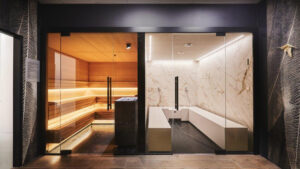
Spa, Wellness Center and Thermal Spa: What Are the Differences?
Spa, wellness center and thermal spa are often used interchangeably. In reality, they refer to

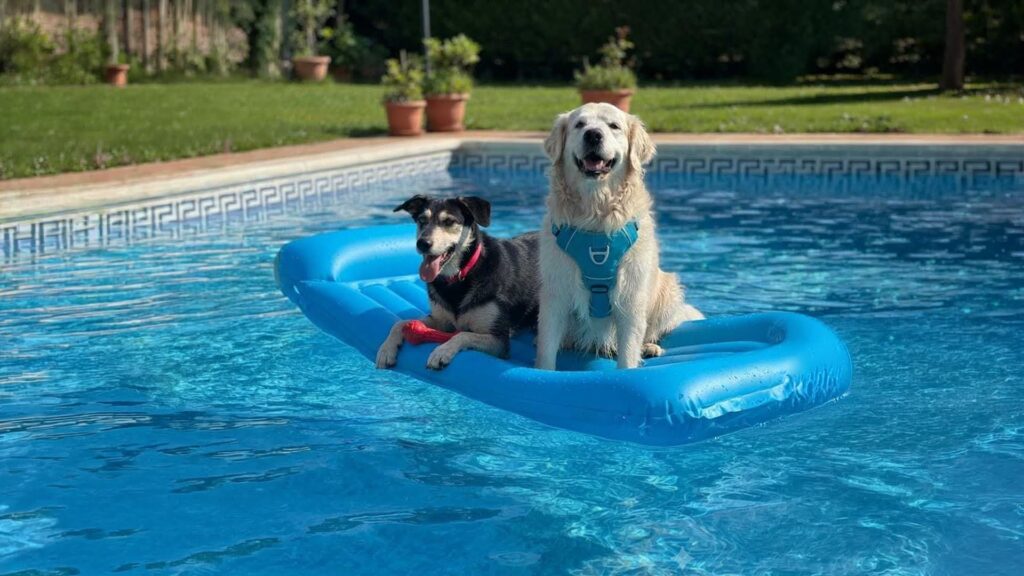
A sunny day, cool water, and our dog curiously watching the pool: sharing a moment like this with a four-legged friend can be truly enjoyable. However, an unexpected jump into the water, difficulty finding the way out, or a few gulps of treated pool water can quickly turn a fun experience into a potentially dangerous situation.
The problem often stems from a few common misconceptions: not all dogs can swim, an inflatable pool float is not a safety device, and the presence of an animal inevitably changes the pool’s cleaning and maintenance requirements.
The good news is that there is no need to give up swimming together. With constant supervision, properly treated water, clearly identifiable entry and exit points, and more careful maintenance, dogs and their owners can enjoy the pool safely and with peace of mind.
In general, a dog can swim in a properly maintained pool, provided that disinfectant products are used in accordance with the recommended dosages. Chlorine diluted in the water is not usually the main concern. The most common risks are fatigue, difficulty getting out of the pool, swallowing large amounts of water, and contact with concentrated chemicals.
However, every dog is different. Age, health, physical characteristics, experience, and familiarity with water should all be considered before allowing a dog into the pool. A dog that approaches the pool willingly should not automatically be assumed to be a confident or experienced swimmer.
Some dogs enter the water enthusiastically, while others may be afraid, tire quickly, or struggle to maintain a safe position. For this reason, a dog should never be pushed, thrown, or dragged into the pool.
The introduction to the water should be gradual, starting in a shallow area and rewarding every small step forward. If the dog appears anxious, repeatedly tries to get out, or refuses to enter the water, it is important to respect its response.
For senior dogs, puppies, or animals with joint, heart, respiratory, or neurological conditions, it is advisable to consult a veterinarian beforehand. Open wounds and healing surgical incisions are also valid reasons to postpone swimming.
Getting into the pool is often easier than getting out. A vertical ladder designed for people may be impossible for a dog to use, especially when it is tired or distressed.
The dog should learn to identify a specific exit point equipped with steps, a ramp, or a gently sloping entry. This exercise should be repeated several times, guiding the dog toward the exit from different areas of the pool. This will make it easier for the dog to find its way out, even in the event of an accidental fall.
Even a dog that is comfortable in the water can become tired, slip, become disoriented, or struggle to find the exit. Therefore, whenever a dog is in or near the pool, an adult must be present and ready to intervene immediately.
When the pool is not in use, access should be restricted with a fence, gate, or other suitable protective system. Particular caution is needed with simple floating covers: if a dog falls onto one, it may slip underneath and be unable to resurface. A proper safety cover should be selected and installed according to the pool’s specific design and structure.
The inflatable pool float shown in the image should also be used only for recreational purposes and under close supervision. It does not replace a ramp, a life jacket, or the owner’s presence, and it may be damaged by the dog’s claws.
A pool with properly managed pH levels, disinfectant concentration, and filtration is safer than one in which treatment levels are arbitrarily reduced out of concern that they may irritate the dog.
The amount of disinfectant should therefore not be reduced without professional guidance. Instead, the product instructions should be followed, the water parameters should be checked regularly, and the pool should not be used again until safe swimming conditions have been fully restored after any intensive or shock treatment.
Accidentally swallowing small amounts of chlorinated water does not necessarily cause harm, but drinking it repeatedly or in large quantities may lead to gastrointestinal problems. It is advisable to place a bowl of fresh, clean, easily accessible water near the pool and encourage the dog to drink during breaks.
Vomiting, diarrhoea, severe weakness, coughing, breathing difficulties, or unusual behaviour after swimming require prompt veterinary attention.
Chlorine tablets, pH adjusters, algaecides, and shock treatment products should be stored in the equipment room, kept in their original packaging, and placed out of reach of animals.
Concentrated chemicals can be corrosive if swallowed or chewed. In the event of contact or ingestion, do not attempt home remedies or induce vomiting unless specifically instructed to do so by a veterinarian.
After swimming, it is advisable to rinse the dog with fresh water to remove any chlorine, salt, and other substances from the coat. The coat should then be dried thoroughly, paying particular attention to skin folds and areas where moisture tends to accumulate.
The ears should also be dried gently. Persistent moisture, especially in dogs with floppy ears, can contribute to irritation and ear problems. Any cleansing or drying products should be selected in consultation with a veterinarian.
It is also advisable to check:
If these signs persist, it is best to temporarily stop swimming and consult a qualified professional.
A dog’s coat can introduce hair, dust, soil, pollen, and organic debris into the water. A pool used by pets therefore requires more frequent monitoring of both the filtration system and the water’s chemical parameters.
Brushing the dog and giving it a quick rinse with clean water helps reduce the amount of dirt introduced into the pool. The dog’s nails should also be kept properly trimmed, especially in pools with liners, delicate finishes, steps, or inflatable components.
When dogs use the pool frequently, it is advisable to:
Clear water alone is not enough to assess pool water quality. The relevant parameters must be measured using reliable testing equipment, and any treatment should be adjusted according to the pool’s volume, treatment system, and frequency of use.
At the end of each swimming session, floating debris should be removed, the skimmer basket checked, and any toys, bowls, or other objects left near the pool edge cleared away.
A quick routine carried out consistently helps protect both the pool system and the water quality, preventing minor build-ups from developing into more serious maintenance problems.
A pool designed for a household with pets does not necessarily require complex solutions. Above all, it is the initial design choices that make the experience safer and maintenance easier.
The key elements to consider include:
The exit should also be clearly visible from inside the pool. A distinctive finish or a contrasting feature near the steps can help the dog find its way out.
Tecnowell designs and builds swimming pools for private homes, hotels, sports centres, and wellness facilities, developing customised solutions based on the available space and intended use. The presence of pets can therefore be taken into account from the design stage, with access points, finishes, safety features, and systems selected to suit the household’s habits and needs.
Cats generally tend to avoid water, but they can still fall into the pool accidentally, especially at night or while chasing an insect or another animal.
For this reason, fencing, safety covers, and easily accessible exit points are important even in homes without dogs. No pet should ever have unrestricted access to an unsupervised swimming pool.
Sharing the pool with your dog can become one of the most enjoyable moments of the summer. However, fun must always be accompanied by awareness: the dog should be supervised, know how to get out of the pool, and never be allowed to drink the pool water.
At the same time, the pool requires more careful maintenance to manage hair, debris, and the increased load placed on the filtration system.
A bespoke design featuring gently sloping access points, suitable surfaces, effective safety measures, and properly sized systems addresses the issue at its source. This allows the pool to remain a space of well-being for the whole family, including four-legged friends.
A saltwater chlorination pool is not entirely chlorine-free: the system generates the disinfectant from the salt dissolved in the water. The same precautions therefore still apply: prevent the dog from drinking the pool water, provide fresh water, limit exposure, and rinse its coat after swimming.
There is no single duration that is suitable for every dog. Experience, age, water temperature, physical fitness, and the dog’s individual characteristics all affect endurance. It is best to begin with short swimming sessions, include frequent breaks, and stop immediately if the dog slows down, pants heavily, tries to get out, or loses coordination.
A properly fitted life jacket is useful for puppies, inexperienced dogs, animals that tire easily, and dogs whose body shape is not well suited to swimming. However, it does not remove the need for supervision. It should be the correct size and preferably feature a handle on the back to make it easier to lift the dog out of the water if necessary.
Long or sharp claws can scratch delicate surfaces and damage pool floats, liners, or other soft components. The dog’s nails should therefore be kept properly trimmed, and it should be prevented from trying to climb out over the pool edge. Providing an easy-to-use exit point also helps reduce the risk of damage. The choice of durable materials should be considered from the initial design stage.
Access depends on the facility’s internal regulations and the applicable health and hygiene requirements. Hotels and wellness centres should clearly define permitted areas, access times, cleaning procedures, and guest responsibilities. Where appropriate, creating a dedicated area separate from the main swimming pool may be the most practical solution.
Disclaimer: The content of this article is provided for informational and educational purposes only and is not intended to replace the advice, diagnosis, or recommendations of a veterinary professional. For any concerns regarding your pet’s health or safety, always consult a qualified veterinarian.
Spa, wellness center and thermal spa are often used interchangeably. In reality, they refer to
The Kneipp path is one of the most distinctive experiences found in modern wellness centres.
Would you like to install a sauna at home or in a spa, but worry
