

Spa, Wellness Center and Thermal Spa: What Are the Differences?
Spa, wellness center and thermal spa are often used interchangeably. In reality, they refer to

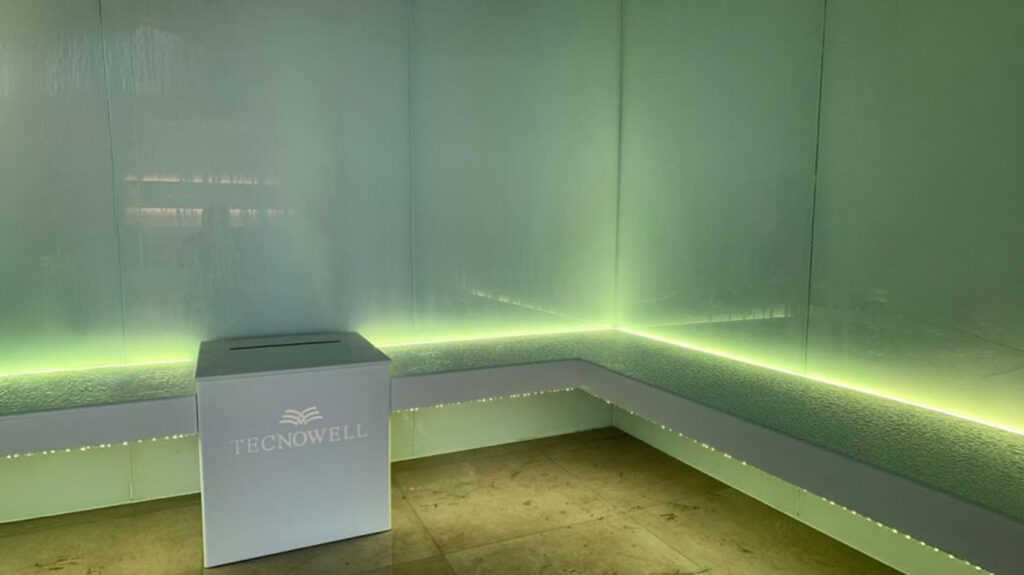
Steam room, hammam, steam bath: in everyday language, these terms are often used interchangeably. However, when designing a private spa, hotel wellness area, beauty centre, or professional spa facility, confusing them can lead to incorrect expectations.
A client looking for an authentic hammam ritual expects a complete experience combining humid heat, exfoliation, massage, relaxation, and atmospheric materials. Someone seeking a modern steam room, on the other hand, may simply want an efficient, elegant, compact steam cabin that is easy to manage.
The key is to understand the differences clearly. In this guide, we explore what sets a steam room apart from a hammam, the temperatures and humidity levels involved, the most suitable materials, and how to design a wellness experience that is consistent with the space, budget, and target audience of the spa.
In Italy, the term “bagno turco” is often used to refer to a steam bath: a warm, humid cabin where a steam generator creates a saturated, relaxing, and enveloping environment. According to Tecnowell, a steam bath typically operates at a temperature of around 43–45°C, with humidity levels of approximately 90%.
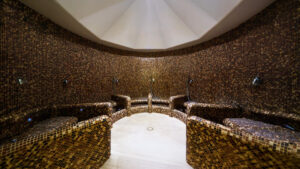
A hammam, on the other hand, is a more complex experience: it is a ritual and cultural environment historically associated with the Middle Eastern and Ottoman traditions. The journey may include several rooms, areas with different temperatures, fountains, heated benches, a central marble table, massage, exfoliation, and rinsing.
| Aspect | Steam Room / Steam Bath | Traditional Hammam |
| Primary Function | Relaxation in a Steam Cabin | Complete Ritual Experience |
| Structure | Often a Single Room | Multiple Areas or Rooms |
| Temperature | Generally Around 40–50°C | Gradually Increasing, Depending on the Area |
| Humidity | Very High, Often 90–100% | High, but Integrated into the Ritual |
| Typical Features | Steam Generator, Benches, Aromatherapy, Chromotherapy | Göbek Taşı, Fountains, Ablutions, Exfoliation, Massage |
| Materials | Porcelain Stoneware, Mosaic, Resins, Glass, Solid Surface | Marble, Stone, Mosaics, Heated Surfaces |
| Management | Can Also Be Self-Managed | Often Managed by an Attendant |
| Ideal For | Private Spas, Hotels, Fitness Centres, Compact Steam Cabins | Hotels, Day Spas, Luxury Wellness Centres, Experiential Wellness Journeys |
A modern steam room is an enclosed space where hot steam raises the perceived temperature and creates a gentle, enveloping sensation of warmth. Unlike a sauna, which uses dry heat and higher temperatures, a steam room operates at more moderate temperatures with high humidity levels.
In a contemporary spa, a steam cabin can be enhanced with:
Tecnowell’s Wet Collection was created to combine the ancient origins of the steam bath with contemporary, functional and customisable design. The cabins can be installed directly over existing flooring and feature removable interior finishes that can be replaced without any demolition work.
The hammam is a place dedicated to well-being, cleansing, social interaction and meditation. Historically, Turkish baths developed through the convergence of Eastern traditions, Islamic culture and techniques derived from ancient Roman baths.
In modern spa design, a hammam may include:
This is the area where the body begins to adapt to the humid heat. The temperature is gentler here, encouraging guests to slow down and ease into the experience.
This is the heart of the experience. The steam envelops the body, breathing slows down, and the skin is prepared for the next stages of the treatment.
The göbek taşı is the central platform, often made of marble, where guests lie down for exfoliation, massage and body treatments.
The fountains allow guests to cool the body and complete the ritual through cleansing with water. They are a functional, aesthetic and symbolic feature.
After the heat, exfoliation and rinsing stages, guests need a decompression area with relaxation loungers, herbal teas, soft lighting and a controlled temperature.
A well-designed hammam ritual follows a precise sequence.
Guests first enter the warm or hot area, where the body gradually adapts to the humid heat. This is followed by the steam bath and ablutions, with water poured over the body to cool and refresh it. During the central stage, an attendant performs exfoliation and massage on the heated platform, often using a kese mitt, foam or traditional soaps. The ritual concludes with rinsing and relaxation.
This distinction is essential for hotels and wellness centres: a steam room can operate as a self-contained space, whereas an authentic hammam requires careful journey design, efficient flow management, a dedicated treatment area and properly trained staff.
The steam bath is appreciated for the deep sense of relaxation it creates, along with softer-feeling skin, relief from tension and a feeling of respiratory comfort. Humid heat provides a more gradual experience than a dry sauna, which is why many guests find it more soothing and enveloping.
However, it is important to avoid making excessive medical claims. A steam room is not a substitute for medical treatment and should not be presented as a form of therapy. People with cardiovascular conditions, unstable blood pressure, fever, pregnancy or other specific health concerns should seek medical advice before using very hot or humid environments. General medical guidance also highlights the risk of dehydration and discomfort when exposure to heat is prolonged.
When designing a complete wellness area, it is also useful to distinguish between the different types of heated environments.
A sauna uses dry heat and higher temperatures. A steam room relies on humid heat, steam and more moderate temperatures. The calidarium is a warm, humid environment inspired by ancient Roman baths; Tecnowell describes it as operating at approximately 50–55°C, with humidity levels of around 50–60%. The laconicum, on the other hand, is a dry heated environment, with temperatures that can reach 55–60°C and no humidity.
These solutions can coexist within a single wellness journey. The key is to design the sequence logically, alternating heat, water, rest and sensory experiences.
The quality of the experience depends on numerous technical and architectural details. Installing a steam generator in a room is not enough: expertise is required in insulation, materials, drainage, ventilation, ergonomics, lighting, hygiene and maintenance.
Tecnowell combines site inspection, design, manufacturing and installation, using CAD systems, geometric surveys, analysis of the room’s constraints, consultation with the operator and the development of detailed construction plans.
Before choosing between a steam room and a hammam, it is essential to assess the available floor area, ceiling height, drainage, technical systems, access points, ventilation and intended use. A private spa has different requirements from a hotel wellness area or a public spa.
A steam room can have a compact, linear layout. A hammam requires a more visually striking design, with transition areas, seating, fountains and a dedicated treatment zone.
Porcelain stoneware, mosaic, resins, premium ceramics, marble, glass and Solid Surface must be selected to withstand heat, humidity and frequent use. Materials are not merely an aesthetic choice: they also affect hygiene, durability and maintenance.
The steam generator, sensors, control units, aromatherapy, chromotherapy, lighting, hand showers and ventilation must work together as an integrated system. A properly sized installation ensures consistent comfort and better-controlled energy consumption.
The success of a spa does not depend on temperature alone. Lighting, fragrances, sounds, textures, layout, privacy, seating and ritual all play an important role. Even a technically advanced steam room can become a memorable experience when it is designed as a complete sensory journey.
A steam room is ideal when an elegant, functional and versatile solution is required. It is perfectly suited to private spas, hotels, gyms, beauty centres and wellness areas where an easy-to-integrate steam environment is needed.
Choose a hammam if you want:
A hammam is the right choice when the aim is to create a more exclusive, ritual-based and memorable experience. It is particularly suitable for luxury hotels, resorts, day spas and wellness centres seeking to stand out.
Choose a hammam if you want:
Steam rooms and hammams share steam, humid heat and a culture of well-being, but they are not the same. A steam room is a modern, effective and versatile steam cabin. A hammam is a more complex ritual journey involving different spaces, gestures, water, massage and relaxation.
To make the right choice, it is not enough to ask, “How much space do I have?” The real question is, “What kind of experience do I want to offer?” Tecnowell designs and creates bespoke wellness centres, steam rooms and hammams, combining craftsmanship, technology, customisation and Made in Italy design expertise.
Yes, but the sensation is different. In a steam room, the heat is humid and the temperature is lower than in a dry sauna. The high humidity makes the steam feel more enveloping and can create an intense sensation of heat even at moderate temperatures.
The duration depends on personal experience, physical condition and the facility’s guidelines. It is generally best to begin with short sessions, leave immediately if any discomfort occurs and rehydrate afterwards. In professional wellness centres, clear and visible usage guidelines should always be displayed.
Yes, provided it is designed correctly. Adequate space, drainage, moisture-resistant materials, a properly sized steam generator, a suitable door and effective ventilation are all essential. Bespoke solutions make it possible to integrate a steam cabin into a private home spa.
Not always, but the full hammam ritual is most effective when guided by a trained therapist. Exfoliation, massage, rinsing and careful management of the wellness journey transform the space into a premium treatment, particularly in hotels, resorts and day spas.
The most commonly used materials include porcelain stoneware, mosaic, resins, ceramics, marble, glass and Solid Surface. The choice depends on the desired style, budget, maintenance requirements and intensity of use. In humid environments, priority should be given to hygienic, durable, easy-to-clean materials designed to withstand heat.
Spa, wellness center and thermal spa are often used interchangeably. In reality, they refer to
The Kneipp path is one of the most distinctive experiences found in modern wellness centres.

A sunny day, cool water, and our dog curiously watching the pool: sharing a moment
